
Metalworking equipment for your parts and production targets
Weld, bend, roll, cut and finish with equipment configured around your parts, your output target and your investment.
From a standalone machine to a customized production line.
Start with your material, drawing and required output.
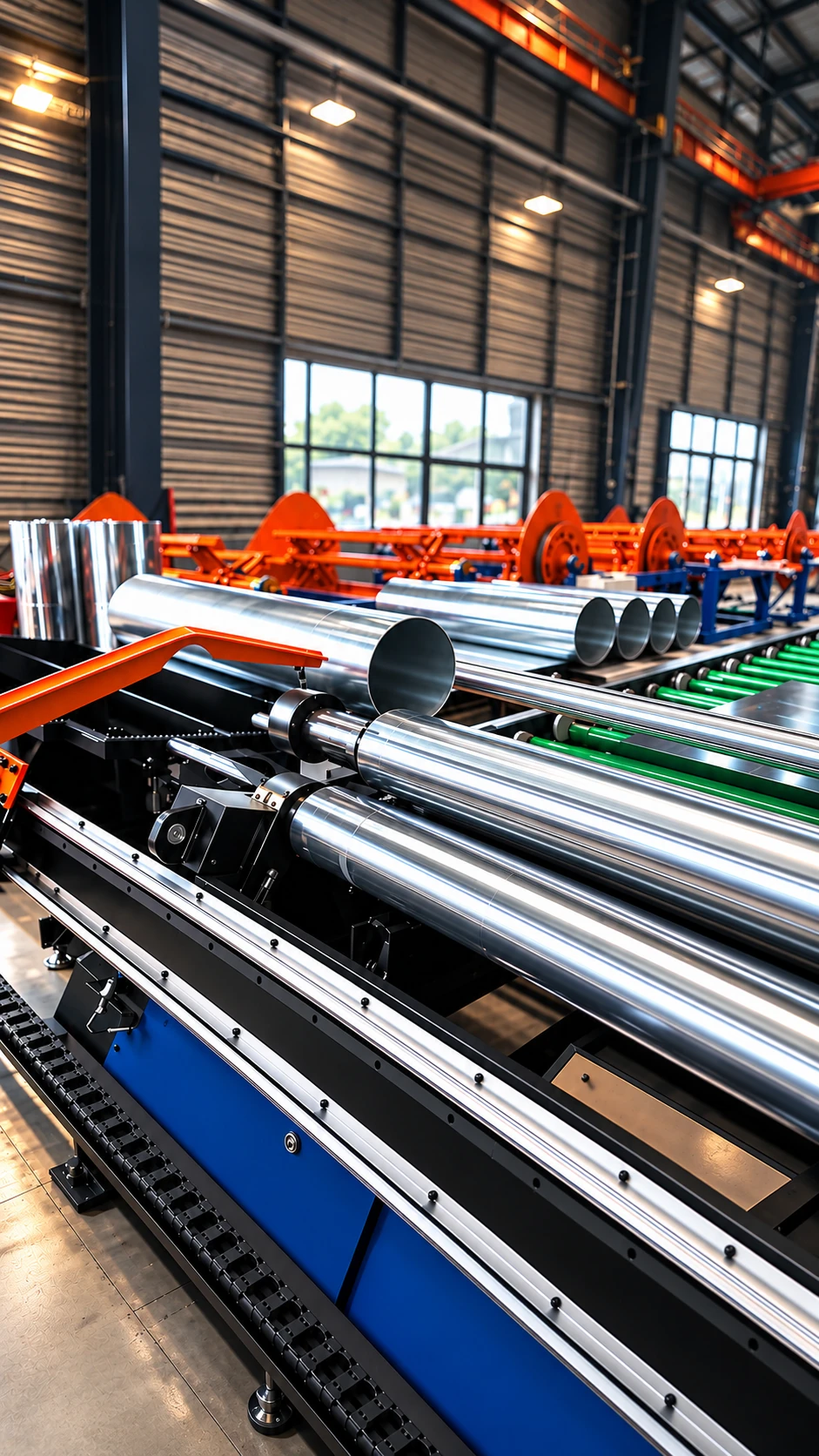
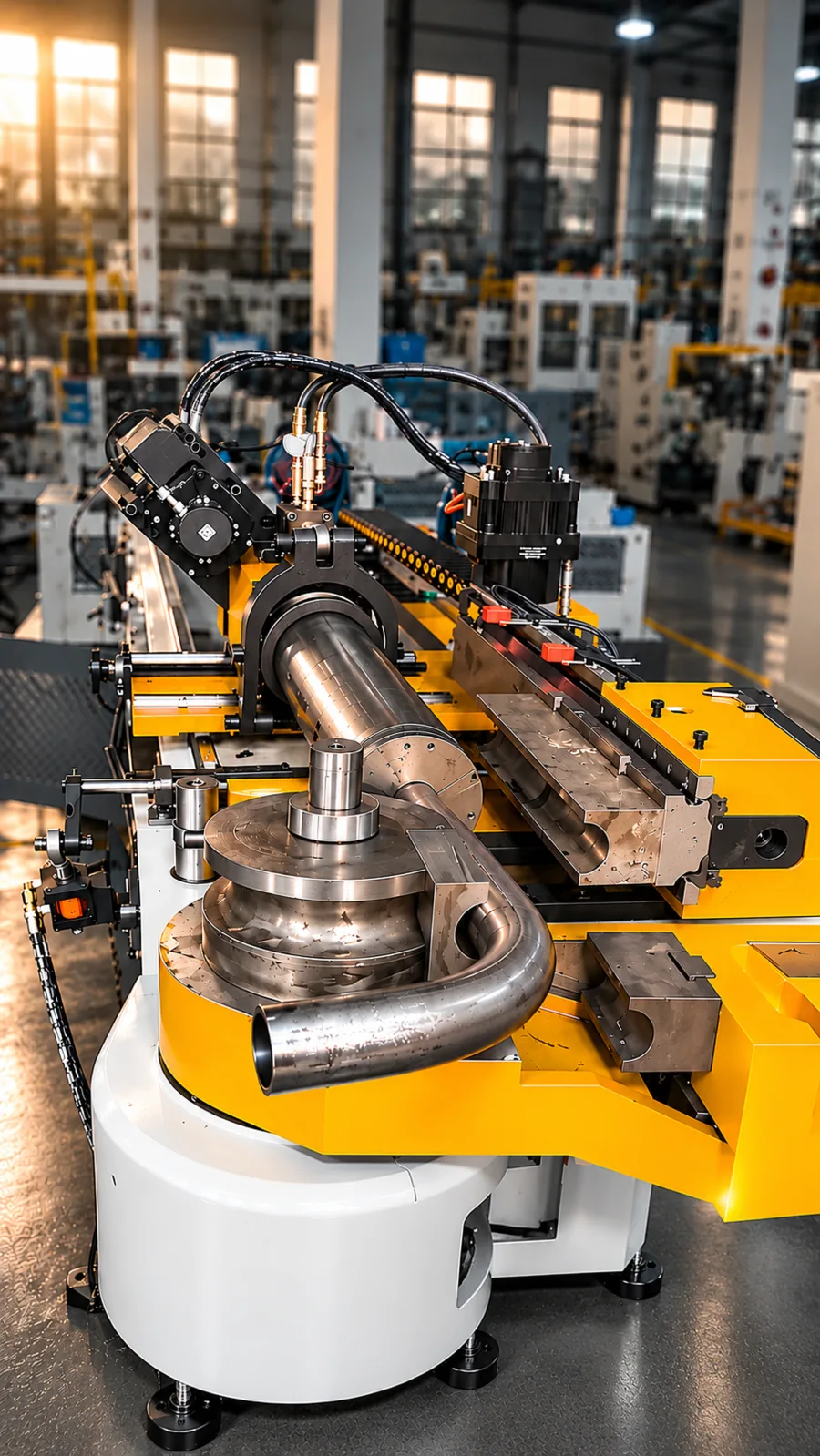
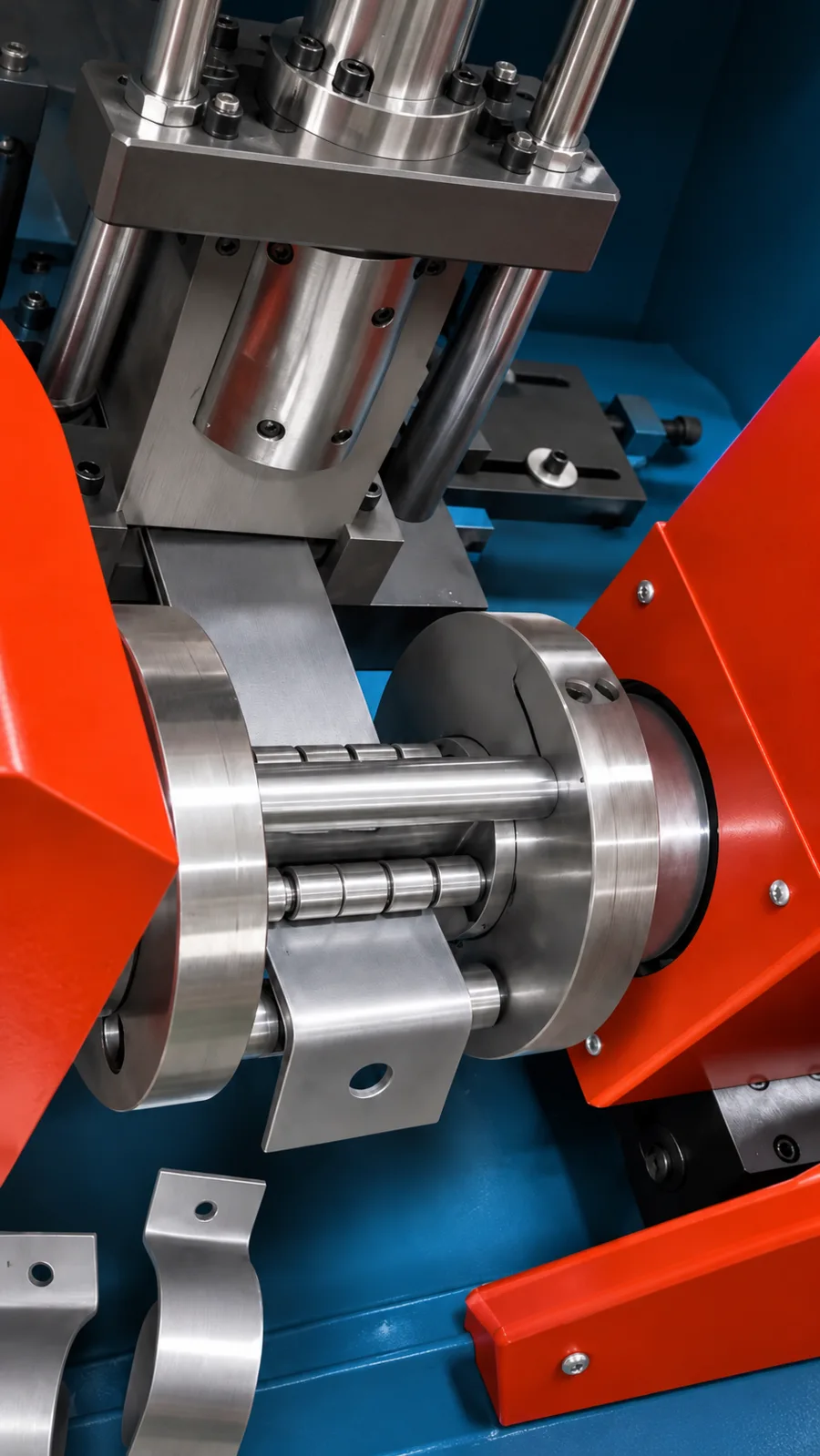
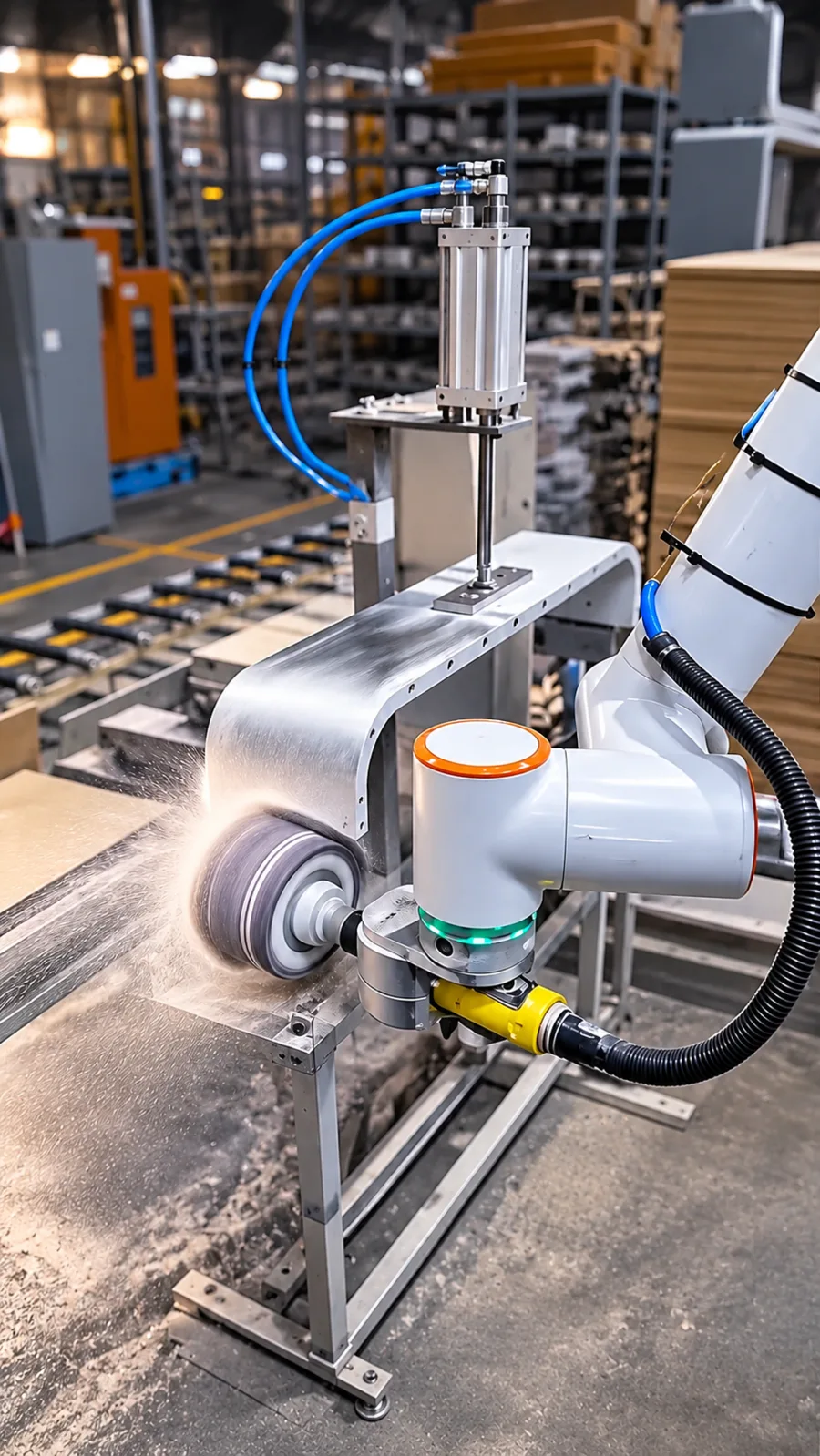
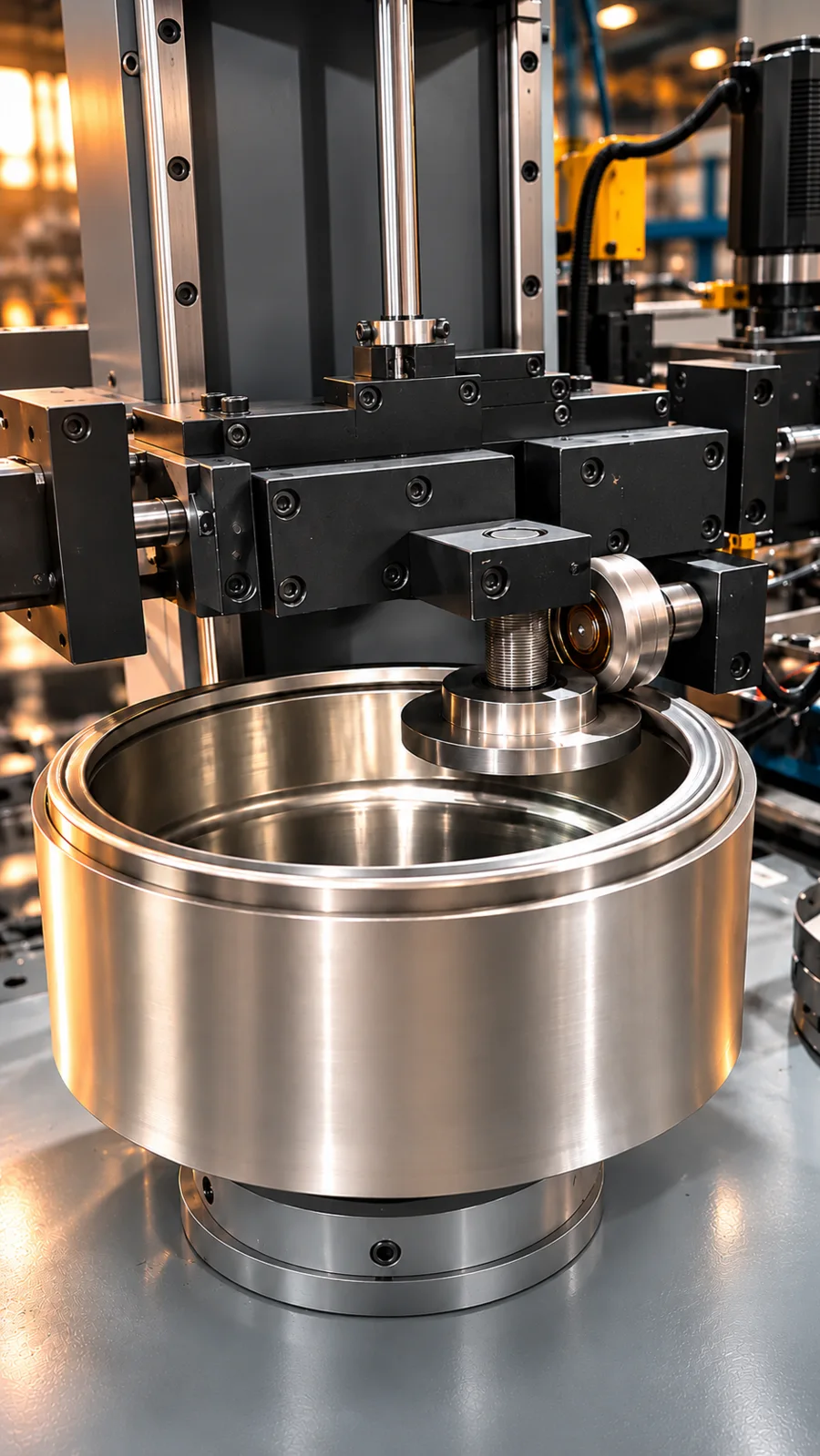
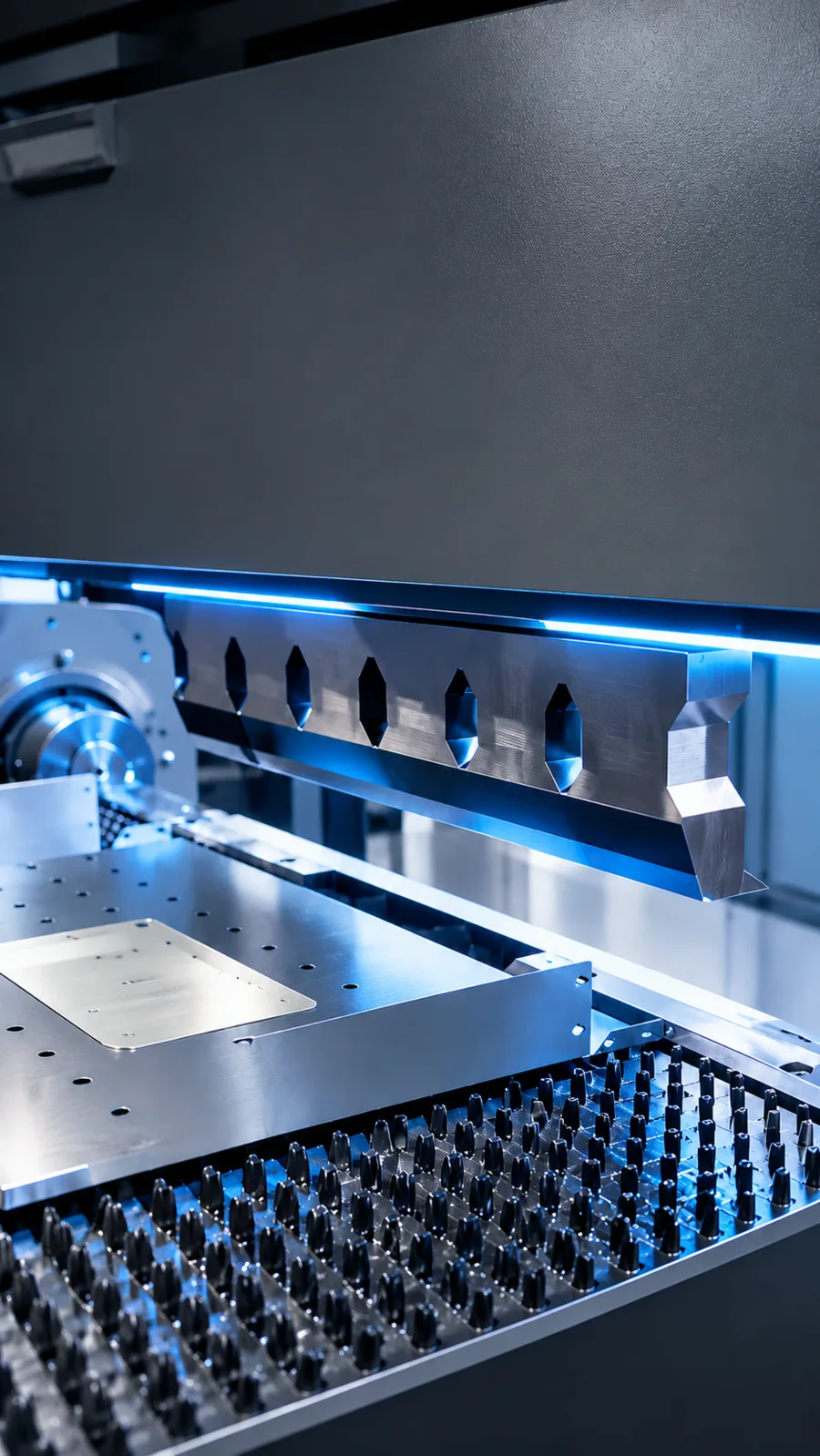
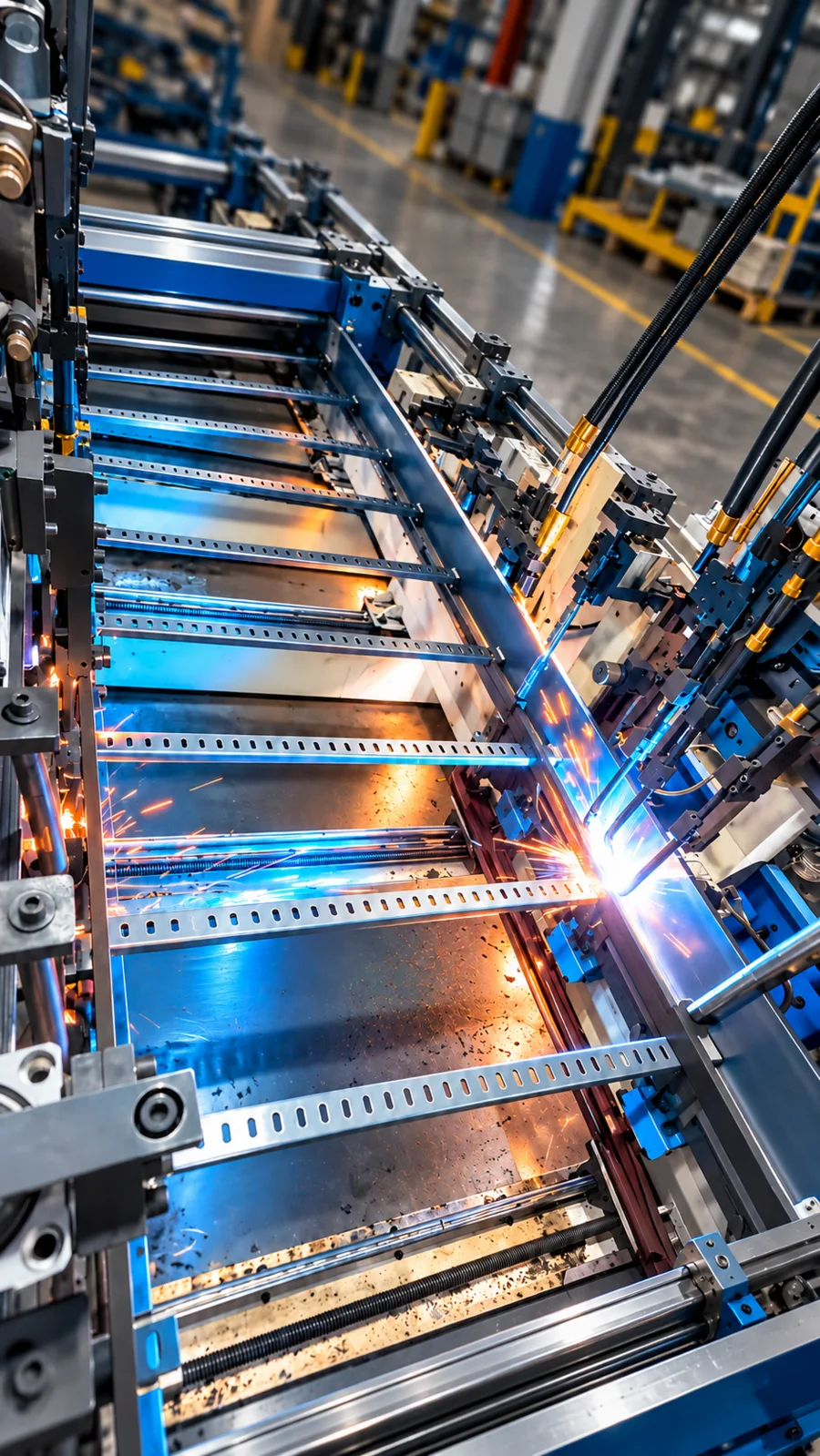
Browse Metalworking Equipment
Choose your process below. Your final configuration is evaluated against part dimensions, material, tolerances and target output.
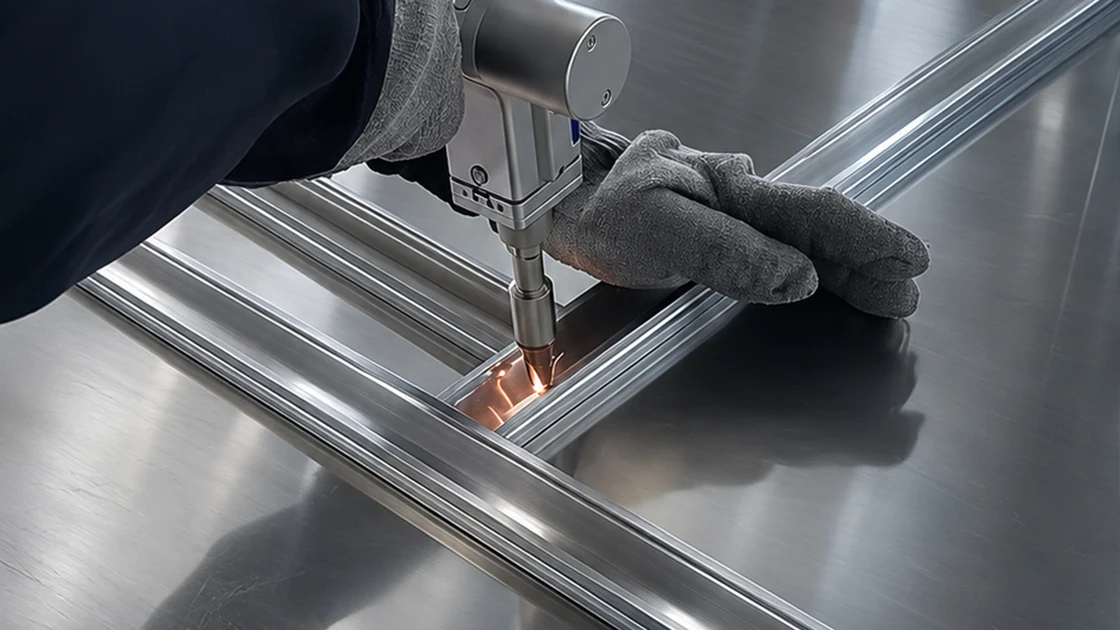
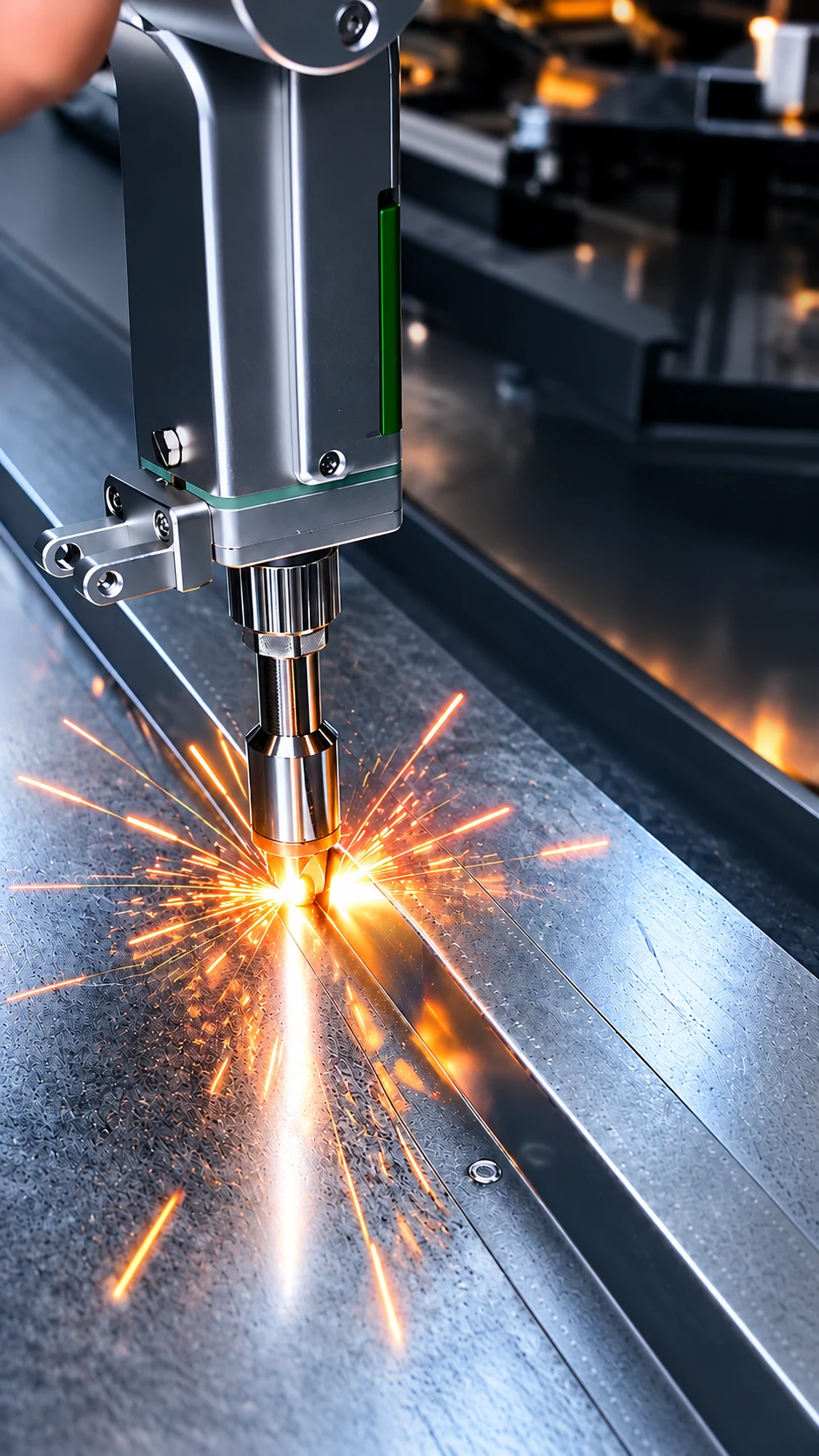
Laser Welding
Control heat. Reduce finishing.Air-cooled, pulsed and continuous laser welding options selected for your material, joint and finish.
Explore welding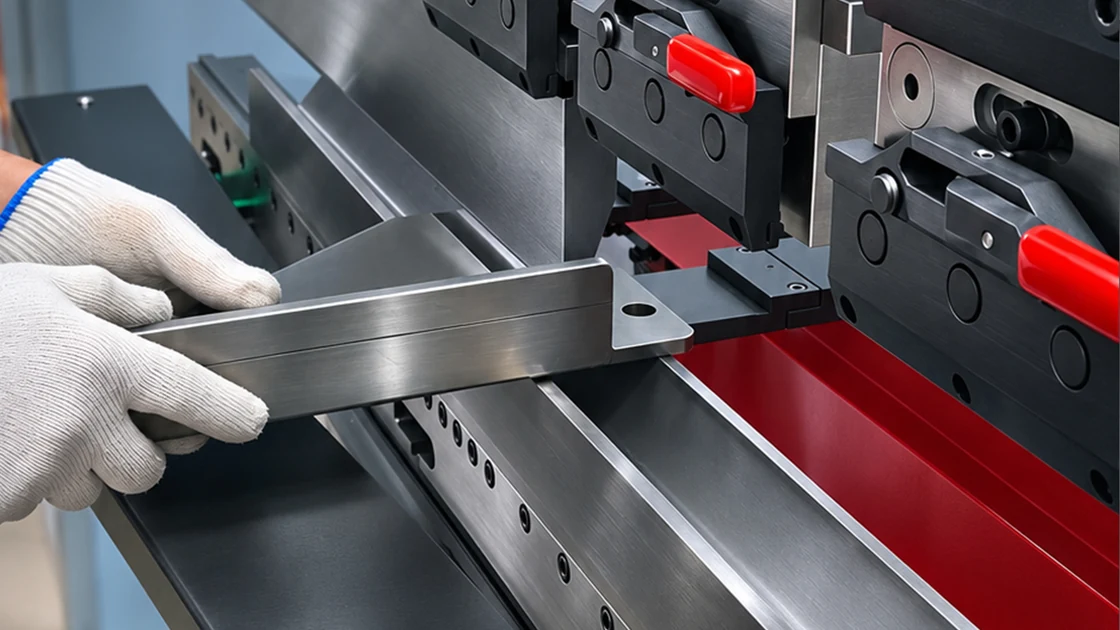
CNC Bending
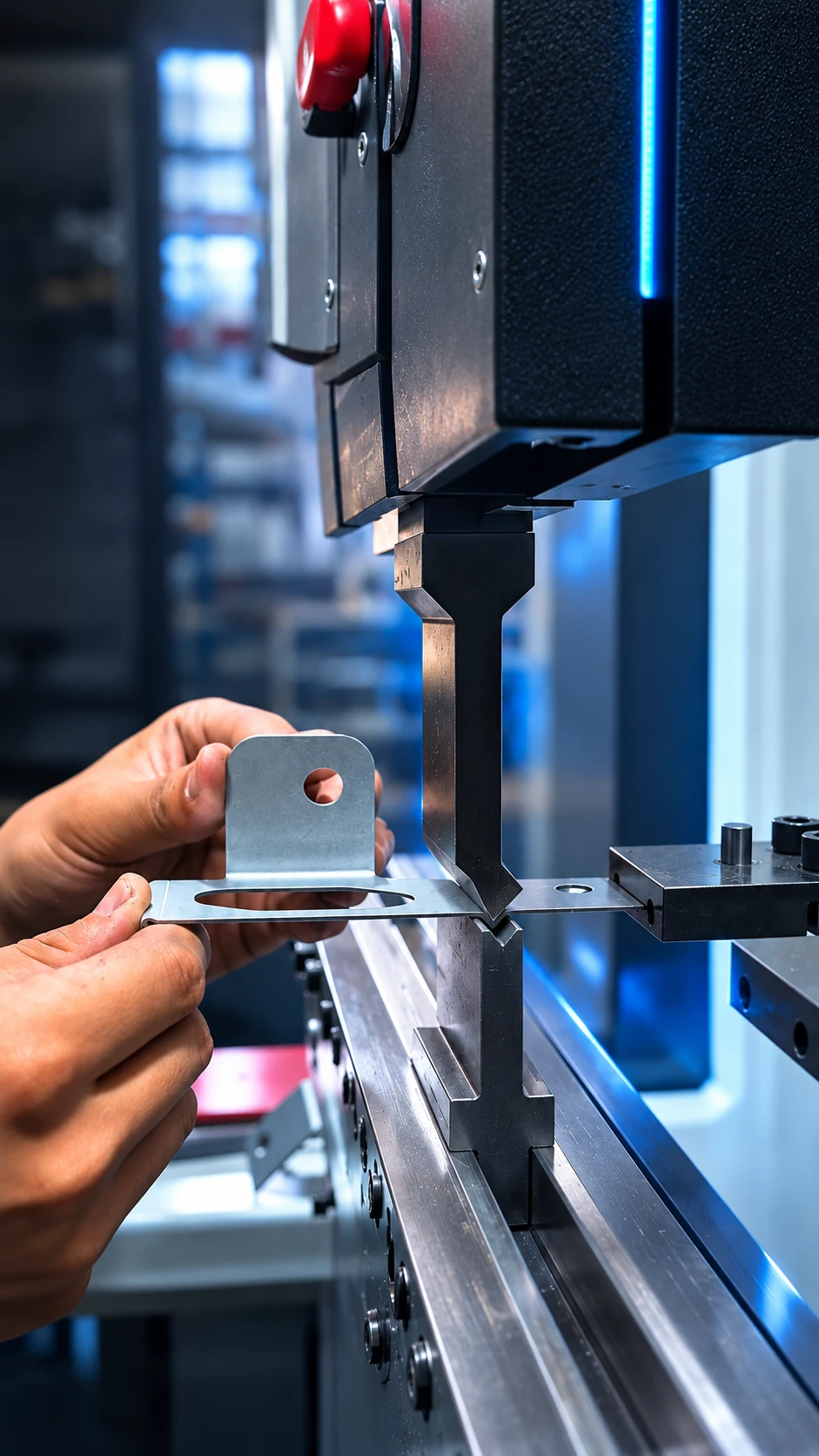
Turn flat sheet into repeatable parts.All-electric mini press brakes, CNC press brakes and panel bending solutions for your part geometry.
Explore bending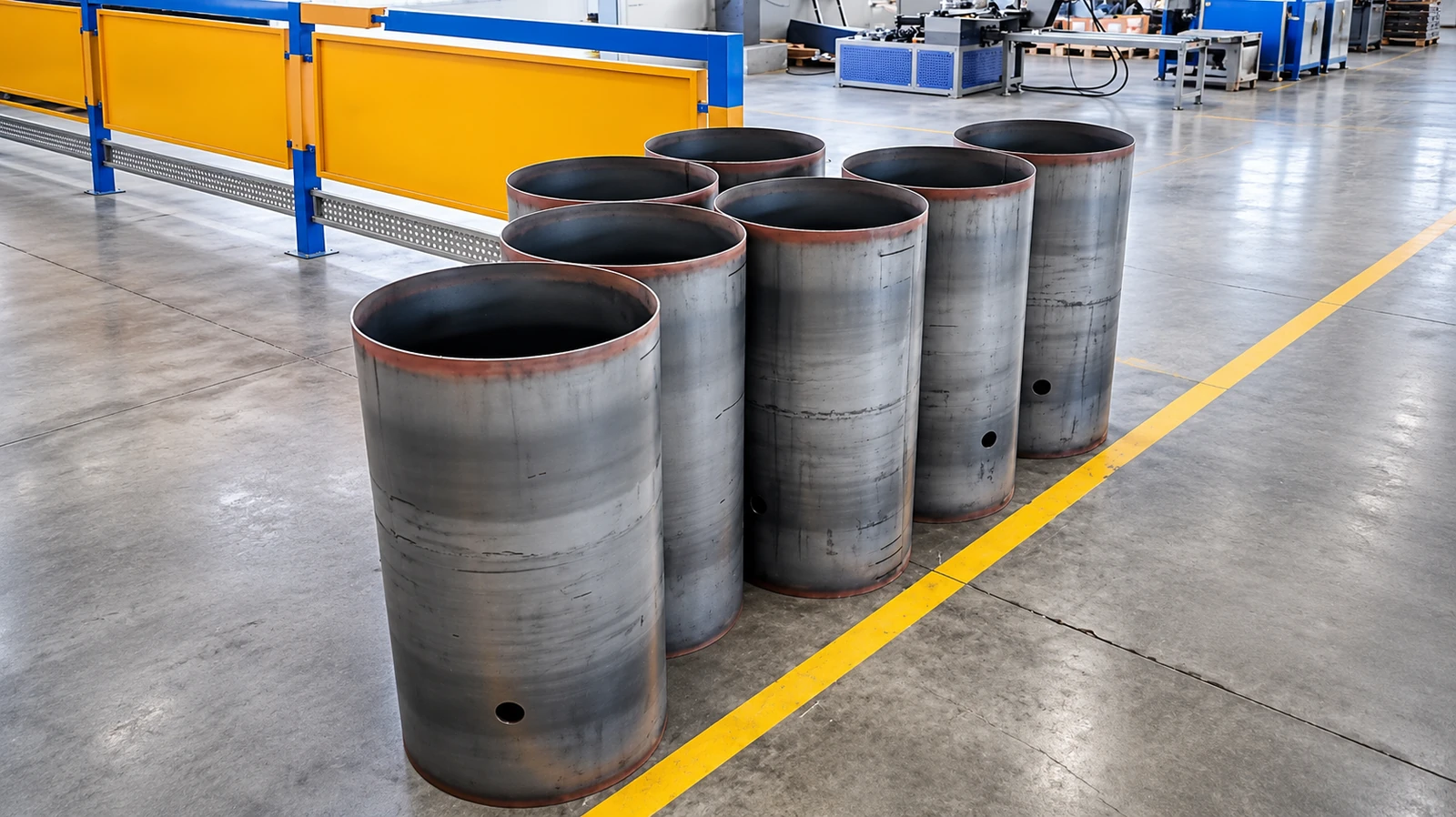
Plate Rolling
Build the cylinder around your target.Two-, three- and four-roll configurations for sheet thickness, working width and finished diameter.
Explore rolling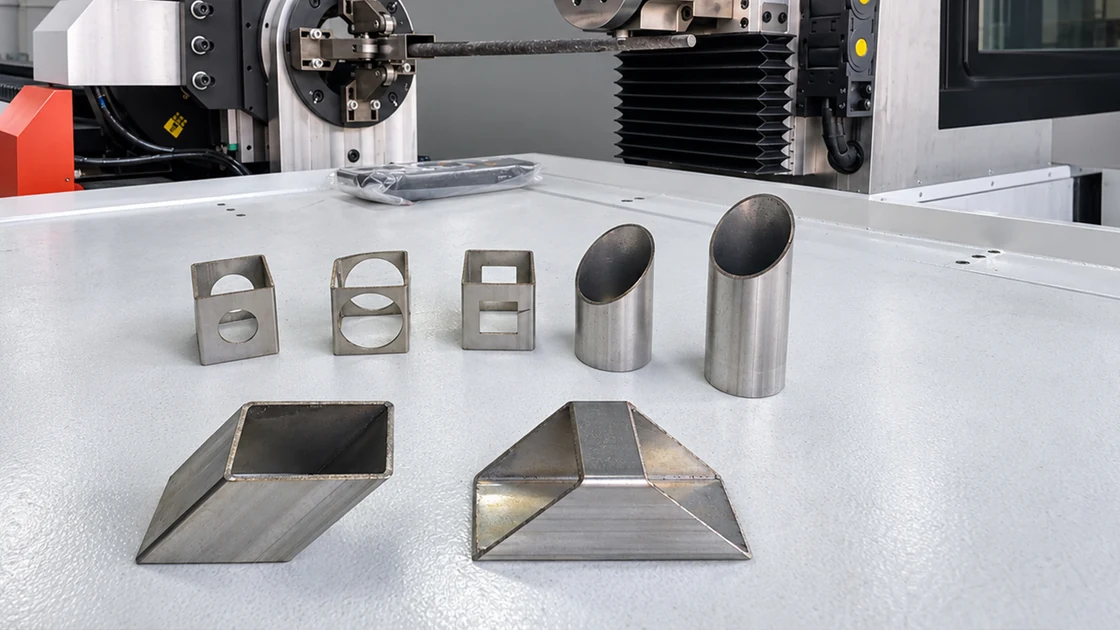
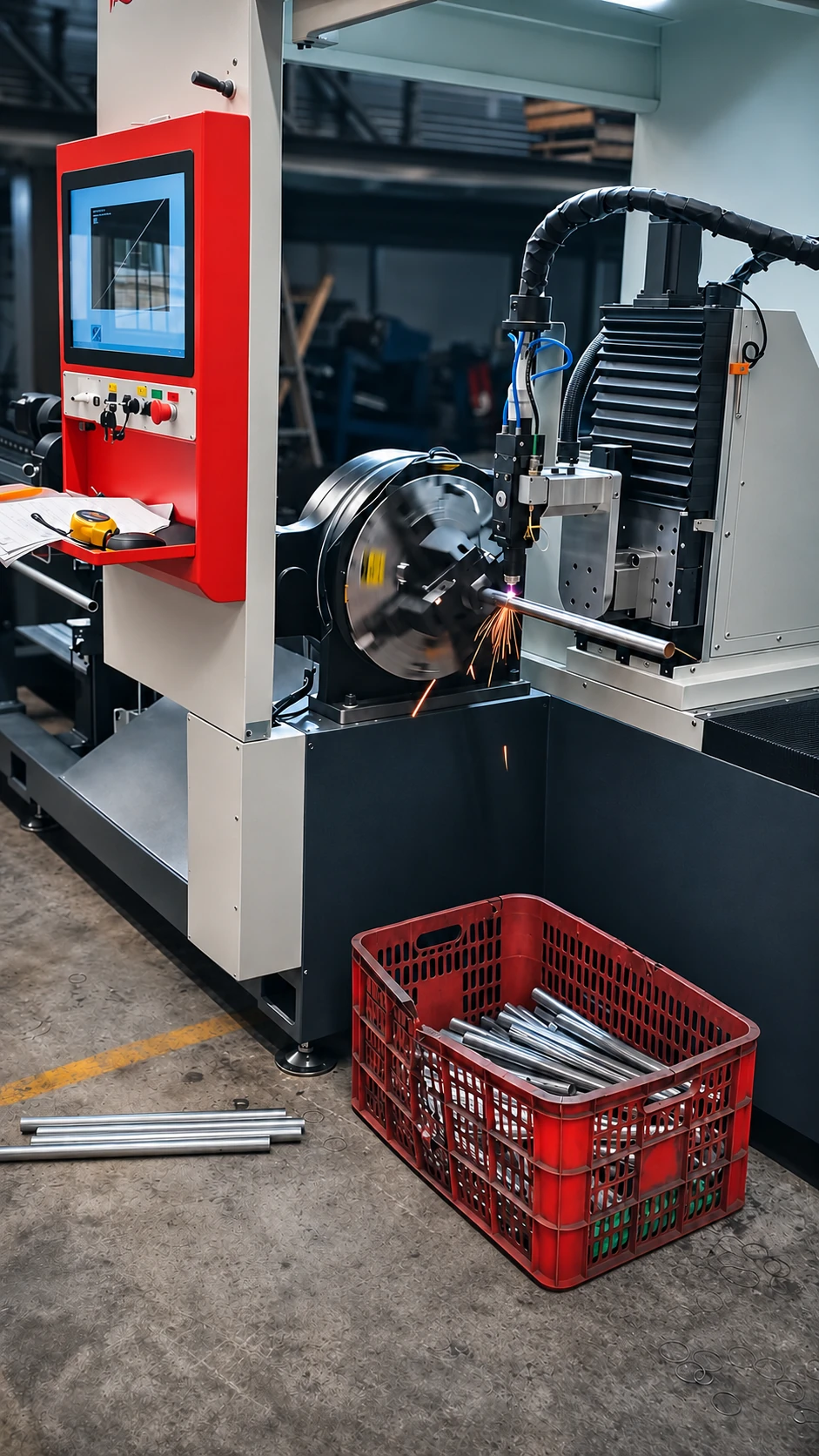
Five-axis pipe bevel cutting
Cut tubes, profiles and bevels.Compare cutting options for holes, profiles and beveled ends. Choose a configuration based on your tube geometry, material and loading requirements.
Explore pipe bevel cutting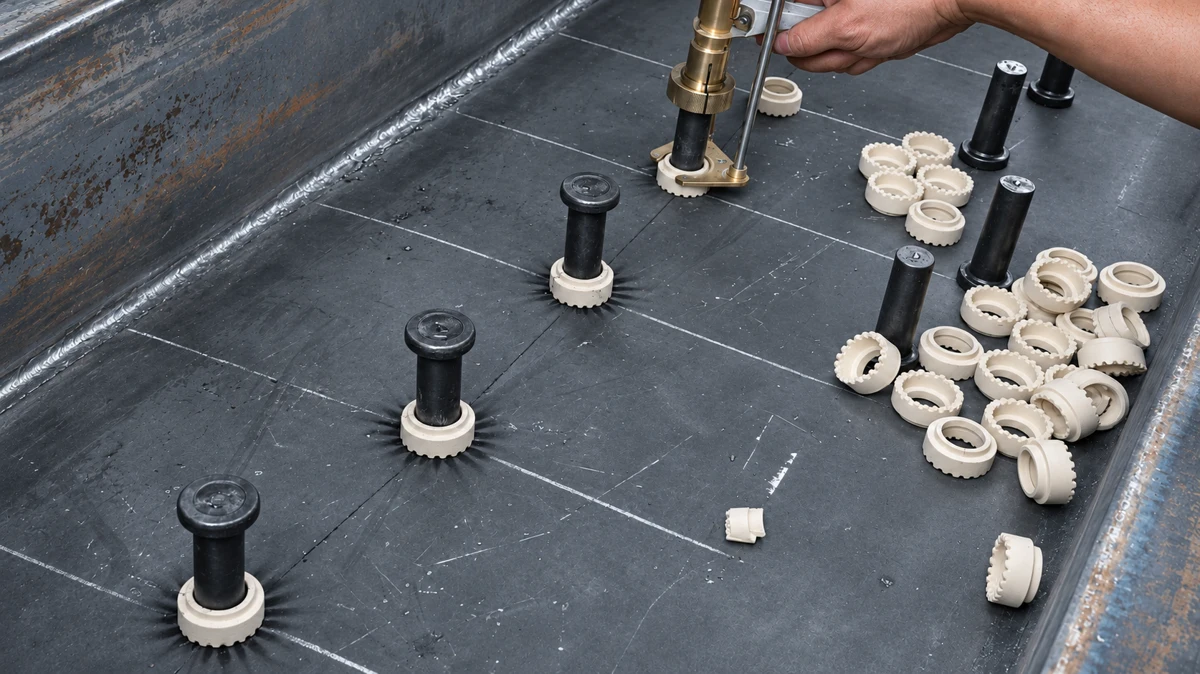
Stud Welding
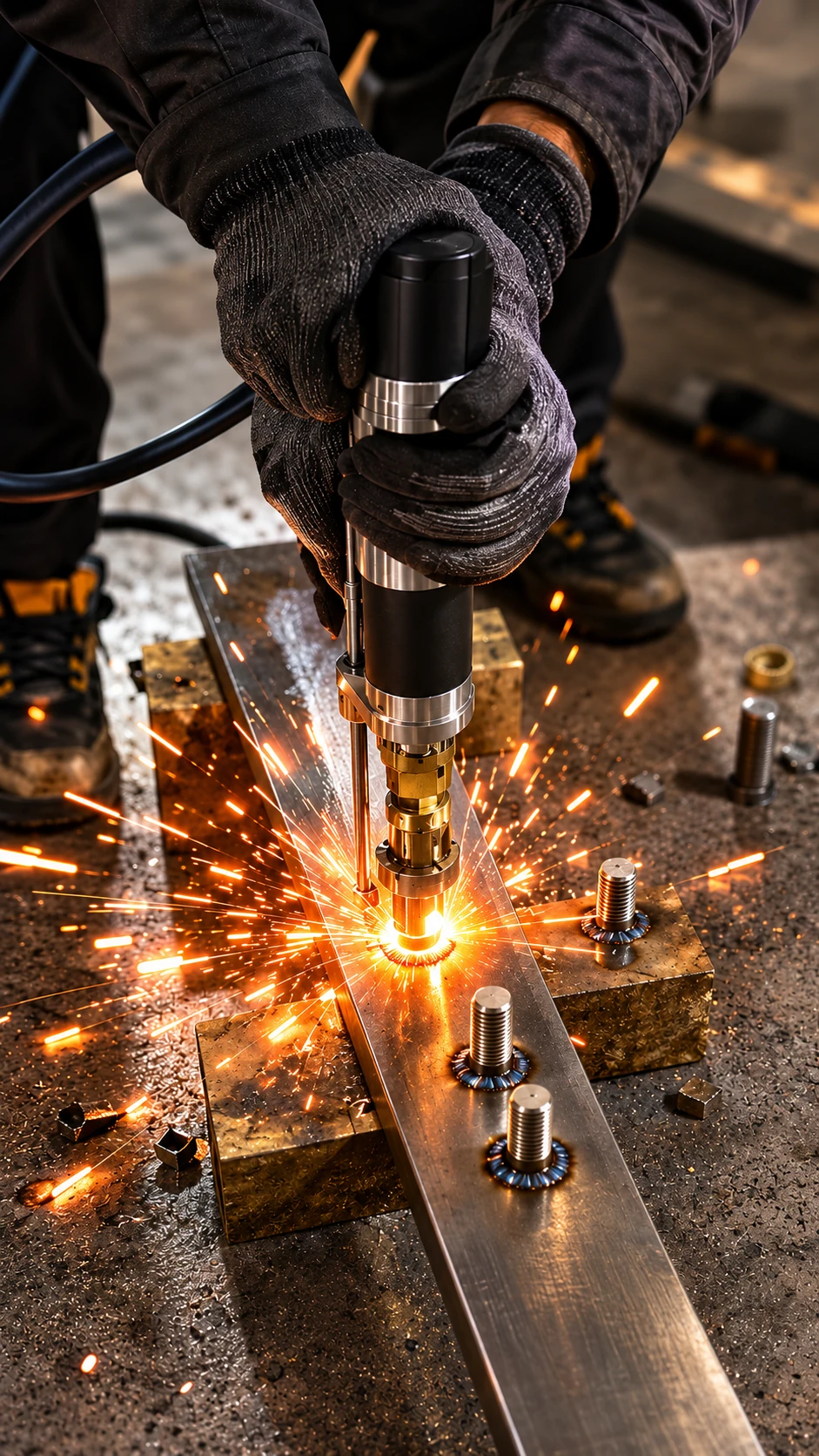
Fastening that fits your application.Capacitor-discharge, short-cycle and drawn-arc systems for your stud size, base material and finish.
Explore stud welding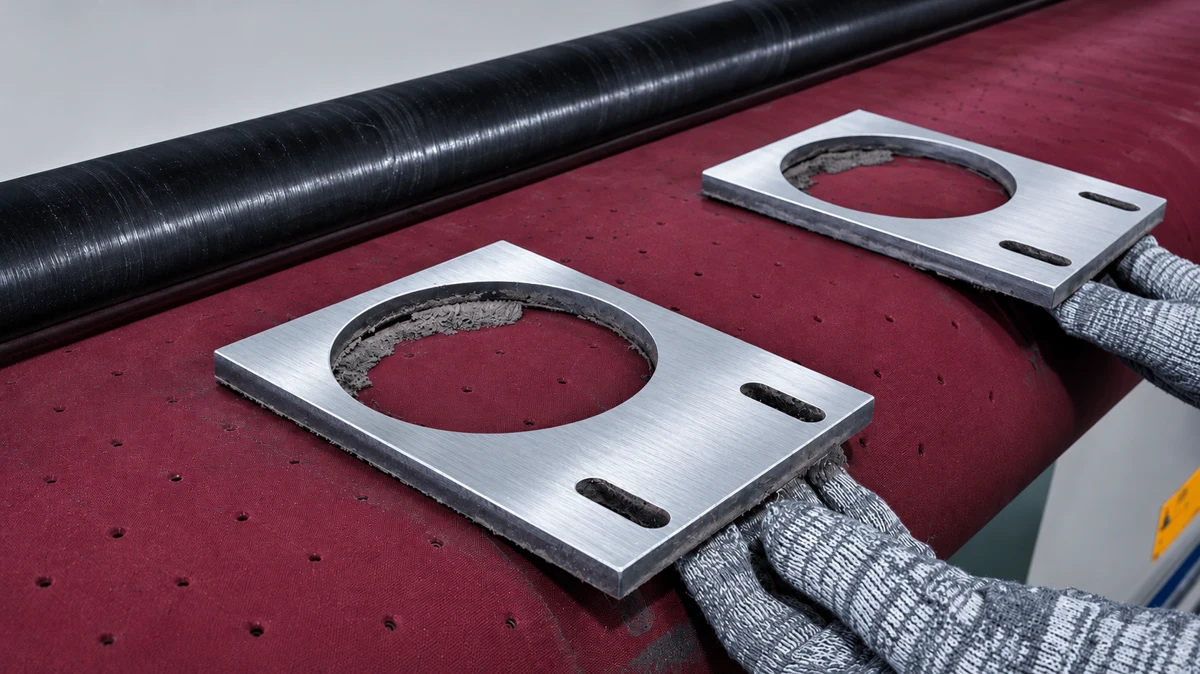
Grinding & Deburring
Prepare parts for their next process.Surface finishing, deburring and edge treatment for coating, assembly and finished-product requirements.
Explore finishing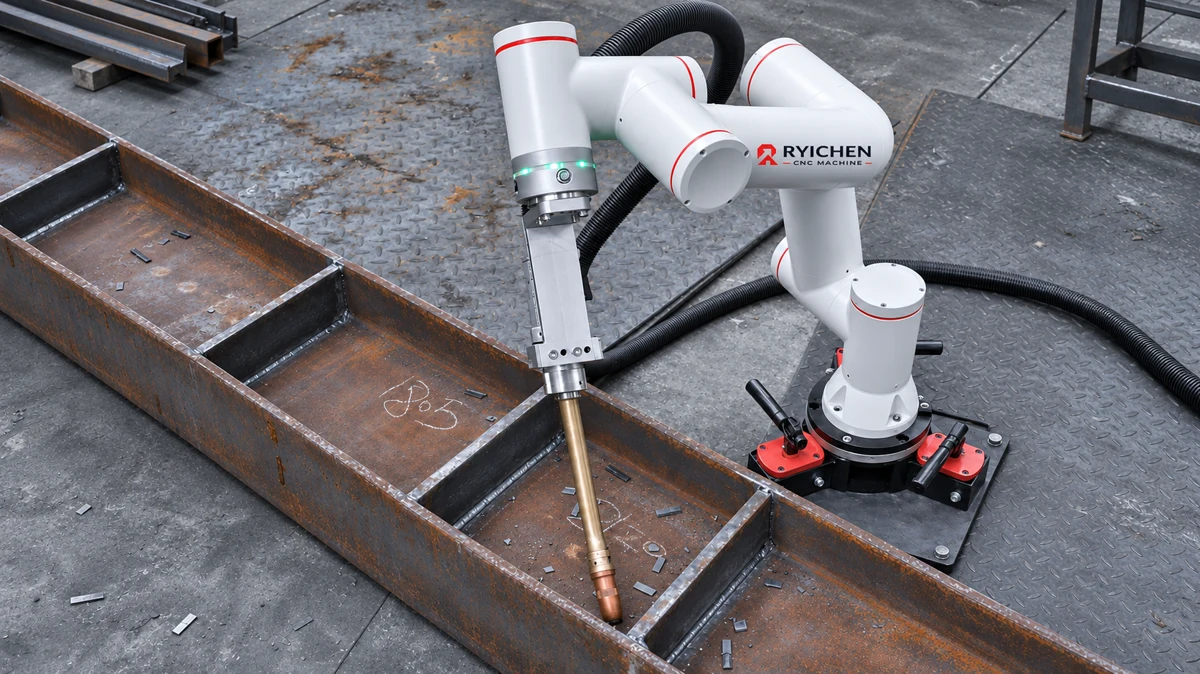
Robotic Welding
Make repeat work more consistent.Welding cells with fixtures, positioners and handling options evaluated around your product family.
Discuss a welding cell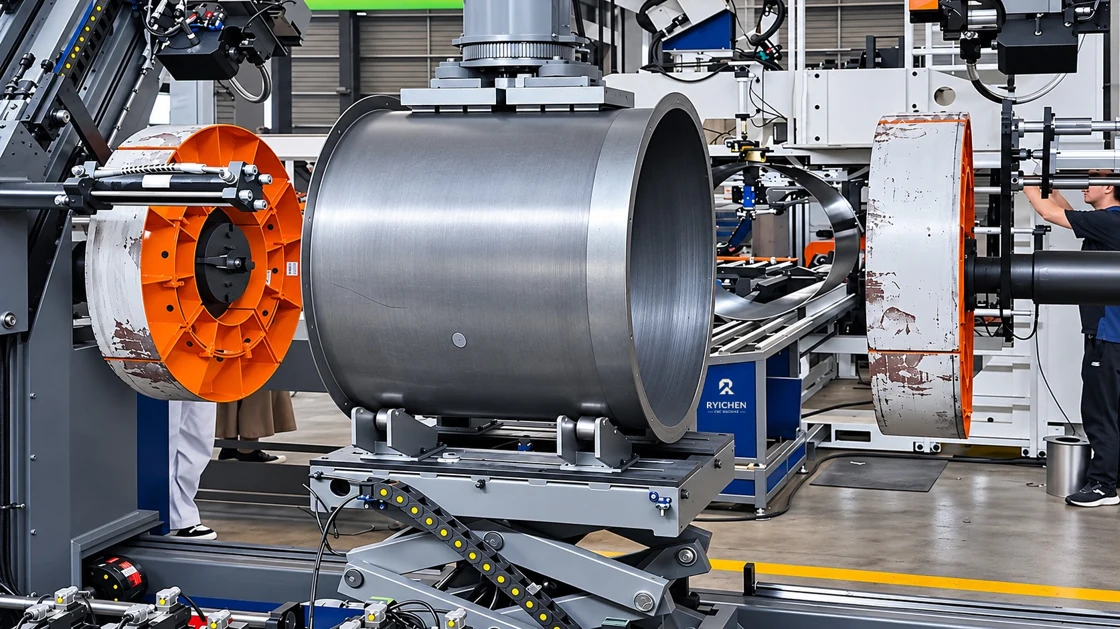
HVAC Duct Forming and Welding Lines
Roll round ducts and weld longitudinal seams.Review blank preparation, rolling, seam welding and unloading for your material, duct diameter and output target.
Explore duct production linesWatch Equipment Demonstrations
Laser Spot Welding for Sheet Metal Stiffeners
See how the air-cooled RCGL-1600W spot welds a 1.5 mm carbon steel stiffener to a 1.5 mm carbon steel panel. Watch the shop test to see the welding sequence and inspect the finished sample.
- Machine
- RCGL-1600W
- Material
- Carbon steel
- Sheet thickness
- 1.5 mm + 1.5 mm
Working with a similar part? Send your drawing, material, and sheet thicknesses for an application review.
View Case Study Send Your PartAutomatic CNC
Plate Rolling Line
Bring material preparation, cutting, transfer and rolling into one production-line layout. This configuration combines blanking, leveling, laser cutting, feed tables, automatic rolling and unloading.
Watch the workshop demonstration to review the rolling operation and material-handling arrangement.
Planning a similar line? Share your material, thickness, sheet width, target diameter and required output for a configuration review.
Explore Automated Lines Send Your PartAll-Electric Servo
Mini Press Brake
Watch a sheet metal part being positioned and bent on an all-electric servo mini press brake. Review the tooling access and part-handling sequence for your own components.
Working on a similar application? Share your material, thickness, bend length, part drawing and required output to review the machine and tooling.
Explore CNC Bending Send Your PartHandheld Drawn-Arc
Short-Cycle Stud Welding
See handheld short-cycle drawn-arc stud welding in the workshop. Review gun positioning, stud placement and the weld sequence before discussing a setup for your fasteners and base material.
Working on a similar application? Send your stud type and diameter, base material, thickness and finish requirements for a process review.
Explore Stud Welding Send Your PartAutomatic 5-Axis
Bevel Laser Tube Cutting
Inspect the cut tube samples, then see the five-axis bevel laser cutting equipment. Use the demonstration to discuss the tube profiles, end cuts and bevel geometry required by your parts.
Working on a similar application? Share your tube profile, material, wall thickness, length and bevel drawing to review the cutting configuration.
Explore Laser Cutting Send Your PartDefine the part.
Then define the machine.
A model name alone cannot tell you whether a machine fits your production. Ryichen CNC works from your application to clarify the configuration, process requirements and customization scope before quotation.
Meet Your Equipment Partner ↗Your product comes first.
Drawings, materials and tolerances establish what the equipment must deliver.
Capacity has a clear basis.
Part handling, cycle time and operator involvement shape the proposed level of automation.
Details are agreed before production.
Confirm tooling, voltage, interface language, testing and destination requirements in the technical scope.
A clearer path to
your next machine.
Build a practical equipment plan before committing to the wrong configuration.
Send your part details
Provide a drawing or sample photos, material, thickness, key dimensions and required output.
Review the equipment plan
Compare the proposed process, machine configuration, customization scope and commercial terms.
Agree on testing
Define the application checks and review machine operation and results against the agreed scope.
Plan delivery & support
Coordinate packing, documents, installation guidance and spare-parts requirements for your destination.
Start with better
questions.
Have a drawing ready?
Send your drawing, material, thickness, output target and destination country. Pascal can help clarify the next technical step.
What should you send for a machine recommendation?
A drawing or clear product photos, material grade, thickness, main dimensions, tolerances and production target. Include your factory power supply and destination country where possible.
Can the machine be customized for your parts?
Tooling, fixtures, programs, handling and automation can be evaluated for your application. Feasibility, technical scope and acceptance criteria are confirmed for each project.
Can you review the machine before shipment?
Testing requirements can be included in the agreed scope. Discuss the sample parts, operating checks, videos and acceptance requirements before placing the order.
How are voltage and delivery requirements handled?
Confirm voltage, phase, frequency, destination requirements and shipping terms during technical review. Required documentation and any certification scope should be agreed before manufacturing.
Are distributor projects welcome?
Yes. Share your market, target equipment and expected application range so the configuration, documentation and support requirements can be evaluated.